

Choosing the Right Brakes for Your Motorized Bike
Feb 20th 2026
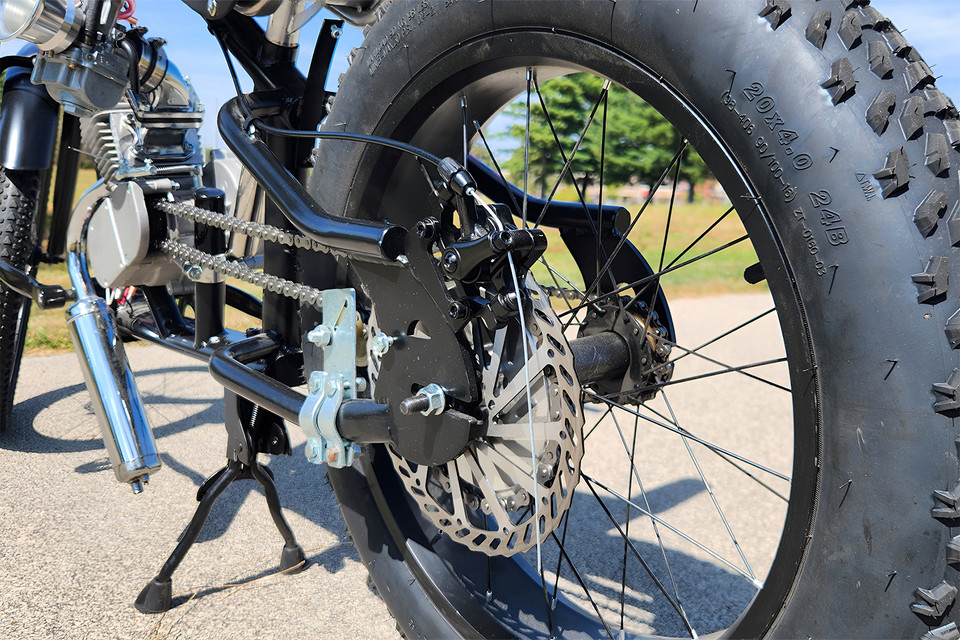
Riding a motorized bike is all about freedom and adrenaline. The sound of the engine, the wind in your face, and the thrill of acceleration are what make it fun. But no matter how fast you go, stopping safely is just as important. Good brakes give you confidence, control, and the ability to react when traffic or road conditions change unexpectedly.
Let's look at the different brake options for motorized bikes and what works best when speed increases.
Stock Brakes vs. Upgrades
Most motorized bike kits rely on standard bicycle braking systems. Many entry level bikes come equipped with V-brakes, caliper brakes, or cantilever brakes, while others still use coaster brakes that were designed for casual pedal bikes.
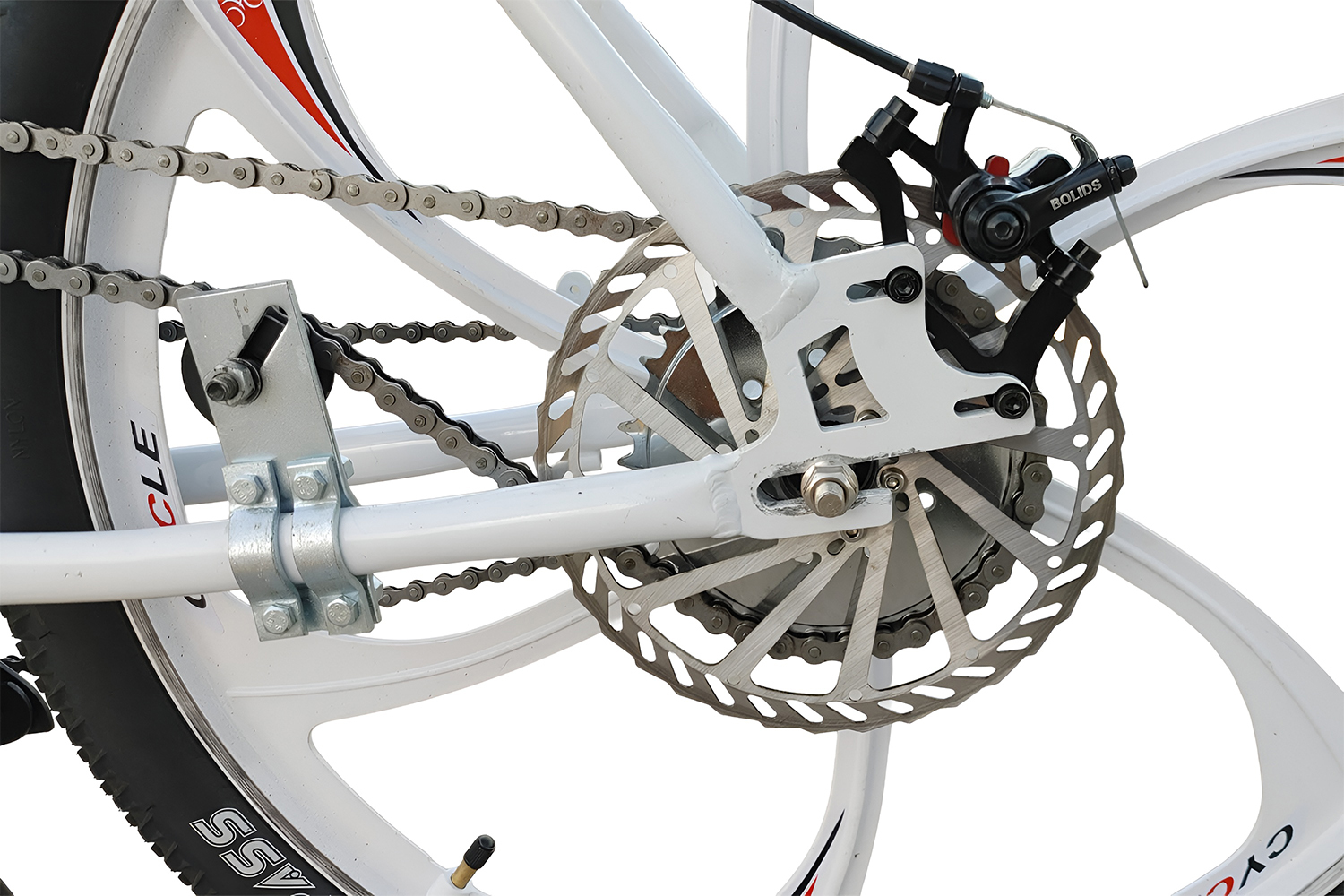
At lower speeds, basic bicycle brakes can be adequate, but once you begin riding at 30 mph or more, braking demands increase dramatically. This is where upgrading to a Complete Disc Brake Kit for Motorized Bikes becomes one of the smartest safety improvements you can make.
Better brakes provide:
- Improved control
- Shorter stopping distances
- More predictable braking
- Greater rider confidence
- Enhanced rider safety
Brake Types: What's Best for a Motorized Bike?
Coaster Brakes & Drum Brakes
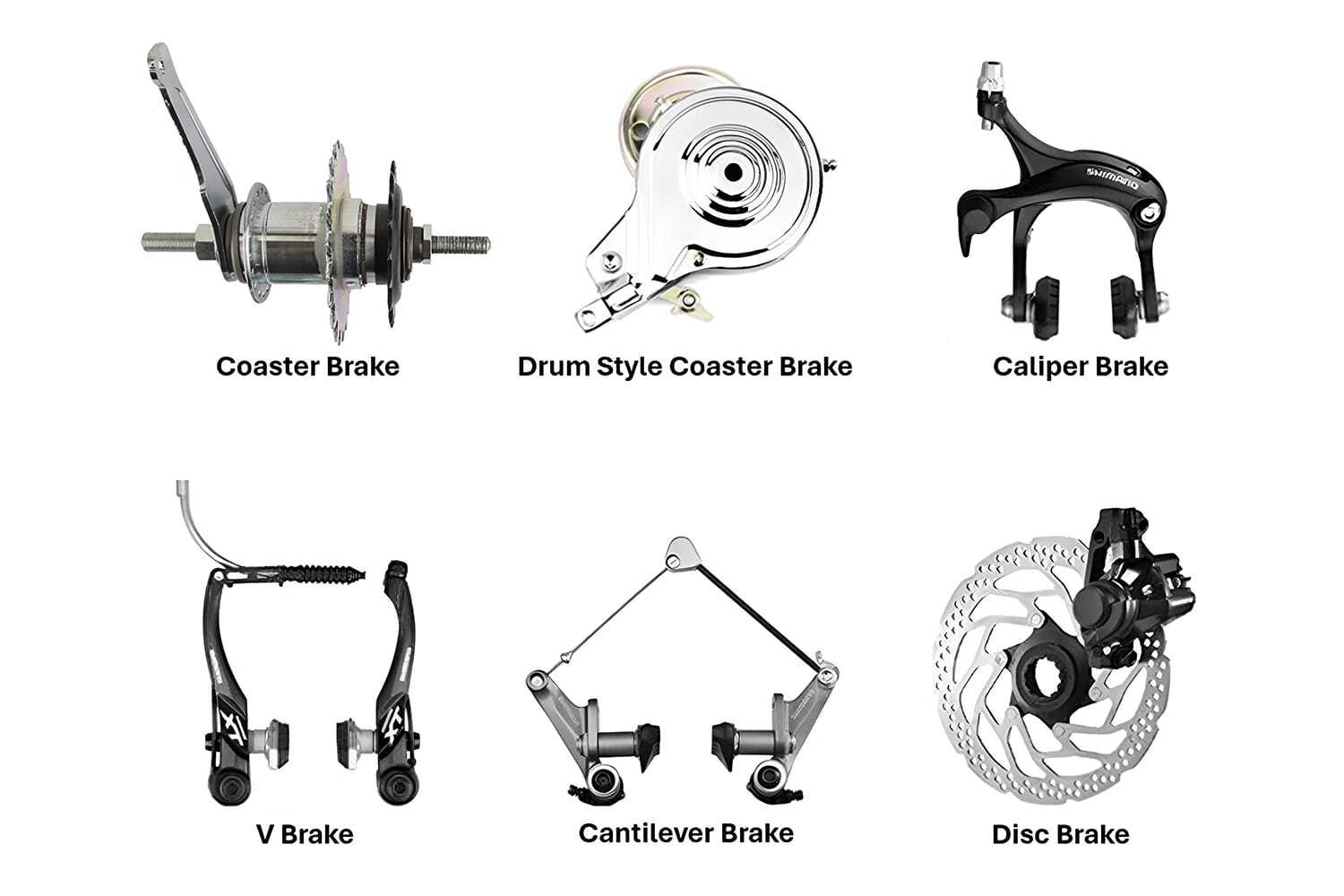
Coaster brakes and drum brakes activate when you pedal backward and use internal friction pads inside the hub or drum to slow the bike. Most are not designed for engine-powered speeds. Under repeated hard braking, many can overheat and fail, which makes them a risky option for motorized bikes.
Drum brakes are enclosed systems often found on heavier-duty wheels and moped-style rims. They are low maintenance and reliable in poor weather conditions, though they are less common on standard bicycle frames.
Some riders still use coaster or drum systems because their bike frame does not support other brake types. In those cases, a Heavy Duty Freewheel Sprocket with Drum Brake Kit allows you to safely keep rear braking while running a drive sprocket, but this setup should be considered a basic solution rather than a performance upgrade.
Caliper Brakes, V-Brakes, & Cantilever Brakes
These types of rim brakes are common on many bicycles. V-brakes generally provide more stopping power than caliper brakes and are easy to maintain. However, brake pads wear quickly at higher speeds, and braking performance decreases in wet conditions.
Disc Brakes
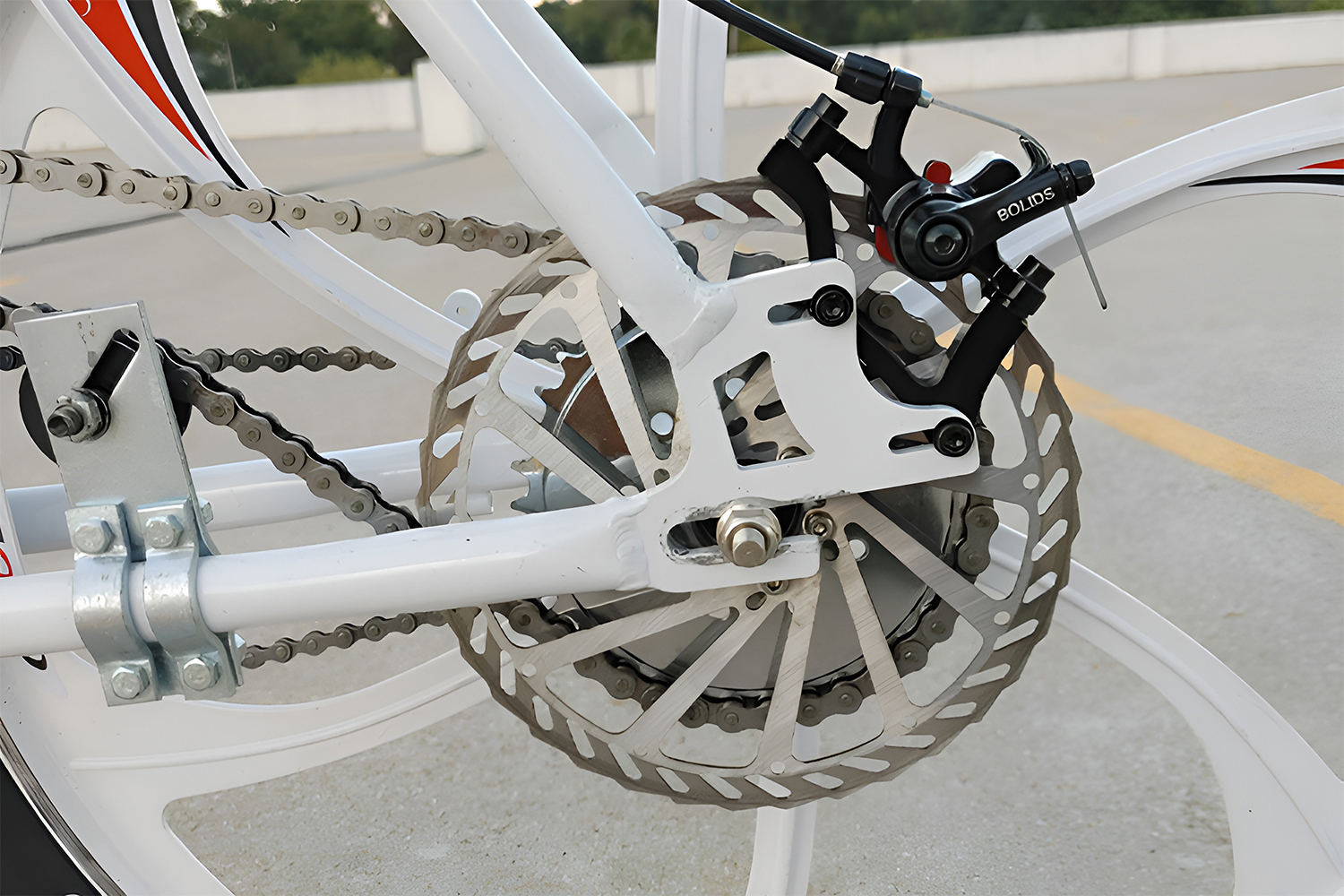
For riders seeking maximum control and safety, disc brakes provide the best balance of power and reliability. Disc brakes offer the most consistent and powerful braking performance available for motorized bike builds. Riders who want the safest all-around solution often choose a Full Disc Brake Kit, which includes matched components for both front and rear braking.
For riders starting with the most important upgrade, a Front Disc Brake Kit delivers the biggest improvement in stopping power and reliability since the front brake handles most of the braking force. Front disc brakes can be added to the front while maintaining any coaster brake or rim brake in the rear. Builders who already have a front disc and want better balance and control can add a Rear Disc Brake Kit to complete their setup.
Bicycle disc brake systems perform well in all weather conditions and handle heat better than rim or coaster brakes, making them the preferred choice for higher-speed riding.
Pro Tips for Maximum Stopping Power
- Do not rely on a coaster brake alone. If your bike only has a rear coaster brake, add at least a front rim or disc brake. Coaster brakes can overheat and fail when used at higher speeds.
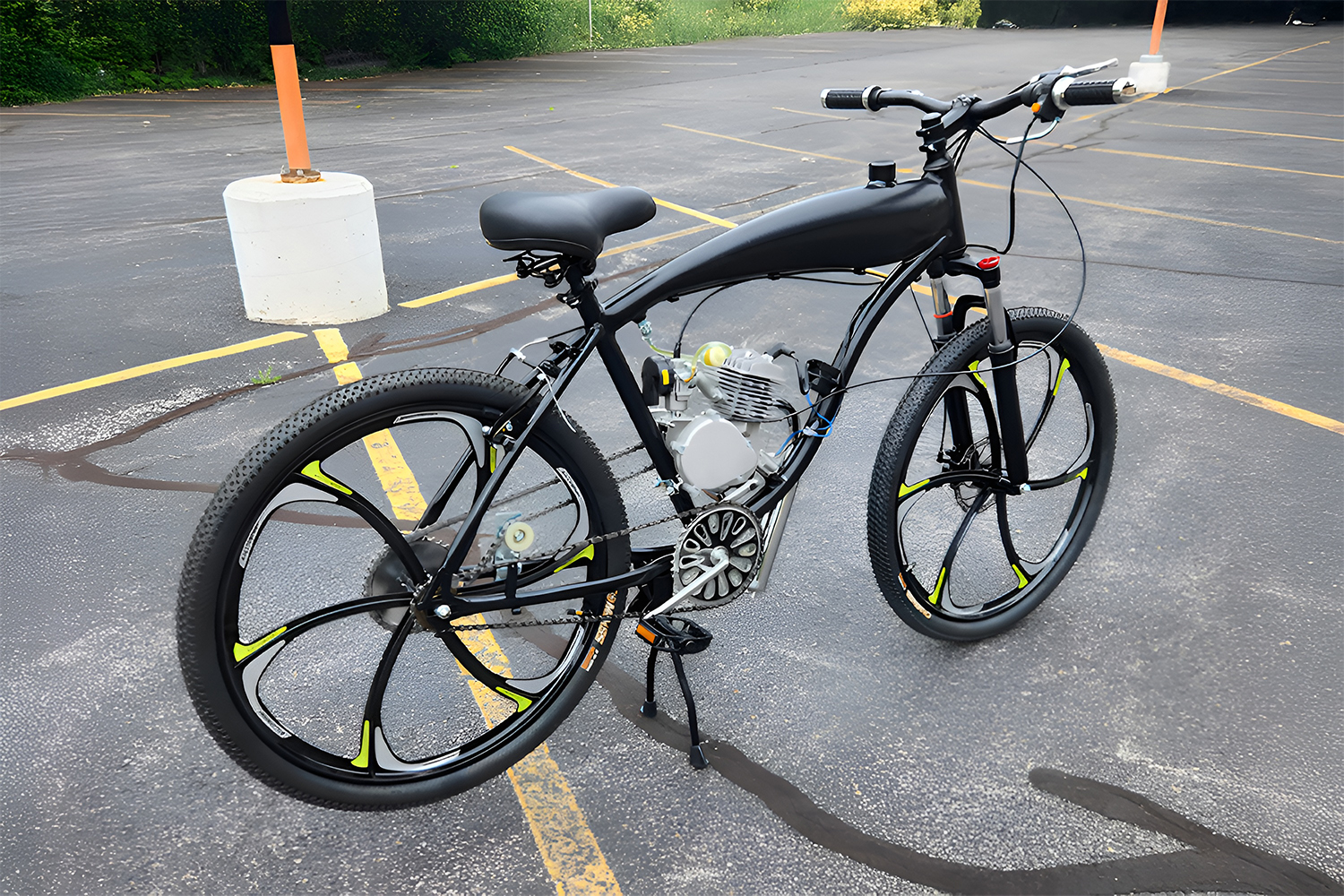
- If your frame allows it, upgrading to a front and rear disc brake provides the most consistent and predictable braking performance.
- Use quality brake pads that are designed for higher speeds. Cheap pads wear quickly and reduce braking effectiveness, especially with rim-style systems.
- Adjust your brakes regularly so they engage firmly and do not feel spongy.
- Upgrade your brake levers for better grip and leverage. A Dual Pull Brake Lever can activate both the front and rear brakes with one hand, which many riders prefer for better control and simpler operation.
Maintenance and Safety Checks
Even the best brakes need routine care. A few simple checks can keep your system working properly:
- Inspect brake pads regularly and replace them before they become too thin.
- Tighten cables and check for fraying or corrosion.
- Keep disc rotors clean and centered to prevent noise and weak braking.
- Test your brakes before every ride with a firm squeeze while standing still.
Using high-quality replacement brake pads and properly tensioned Brake Cables helps maintain consistent stopping power and reduces wear on your braking system.
Ride Fast, Stop with Confidence
Speed is exciting, but control is what keeps riding safe and enjoyable. Whether you are upgrading to a full disc system or improving your current setup, braking performance should never be overlooked.
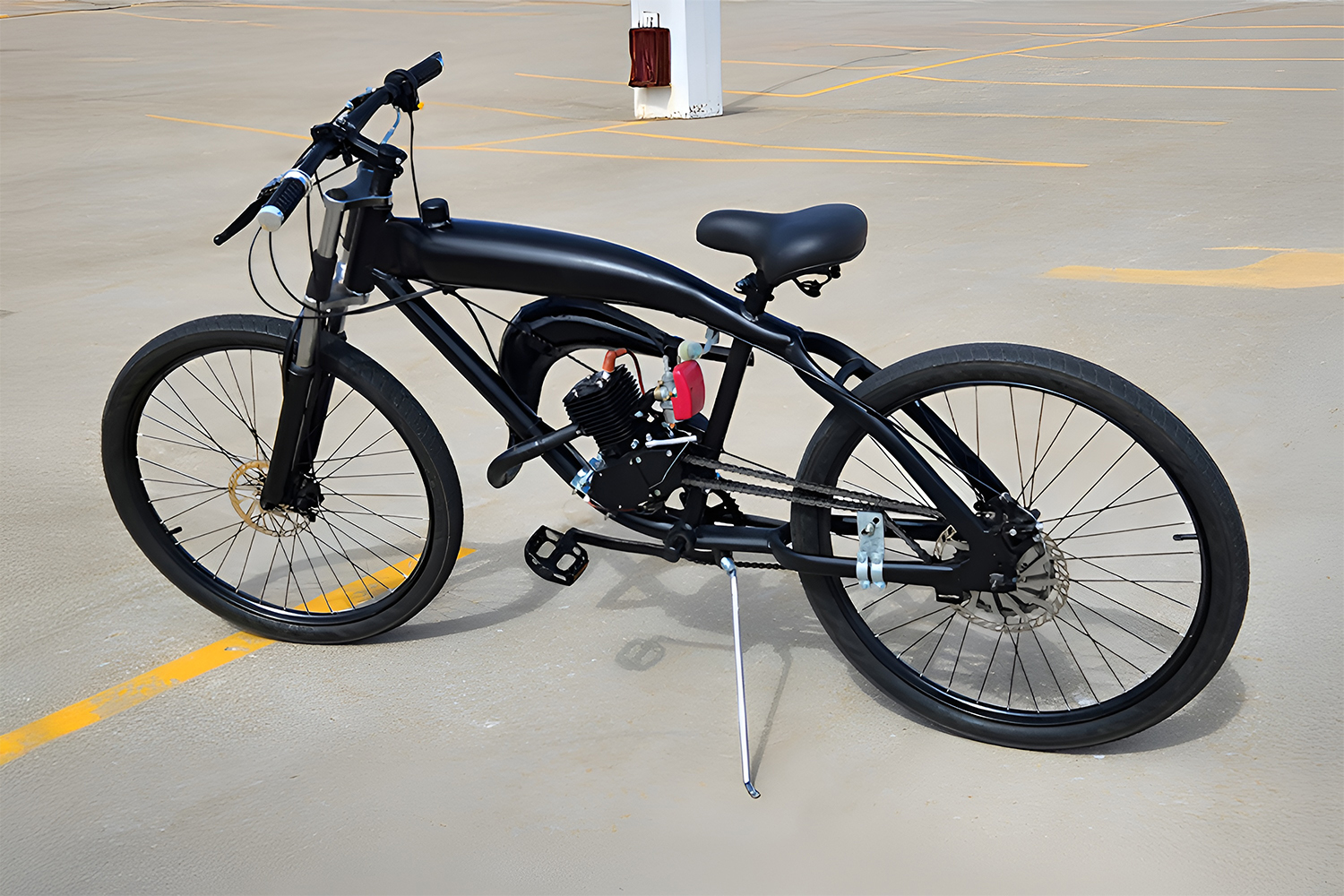
If you are building for higher speeds, a Disc Brake Setup gives you the confidence to ride harder while staying in control.
If you need help choosing the right brake system for your bike, our team is always happy to help guide you toward a safer and more confident ride. Click here to contact us.